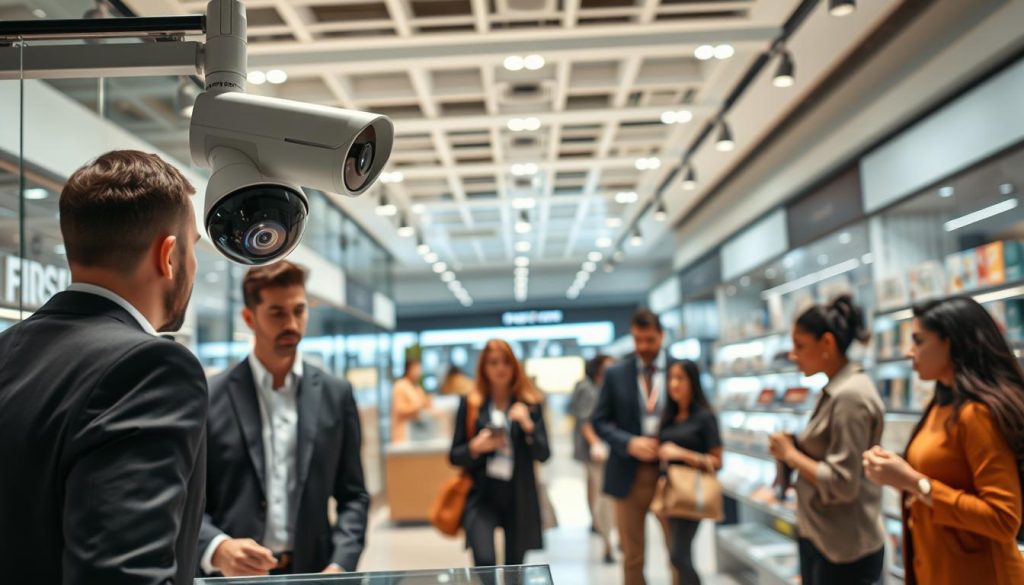
The use of facial recognition technology in retail stores is on the rise, with companies like Walmart adopting it for security and identity verification purposes. However, this trend has sparked controversy and lawsuits, raising concerns about privacy law and potential misuse.
Just as Florida sports betting apps have raised regulatory and privacy questions, the increasing use of facial recognition in retail stores has significant implications for store security and customer privacy. As we explore this trend, it’s essential to consider the broader implications and potential consequences.
Consumer Lawsuits & Legal Questions Surrounding Facial Recognition
The increasing use of facial recognition technology has sparked a multitude of lawsuits, raising critical questions about privacy and consent. As we navigate this complex landscape, it’s becoming clear that the legal implications of facial recognition are as intricate as the technology itself.
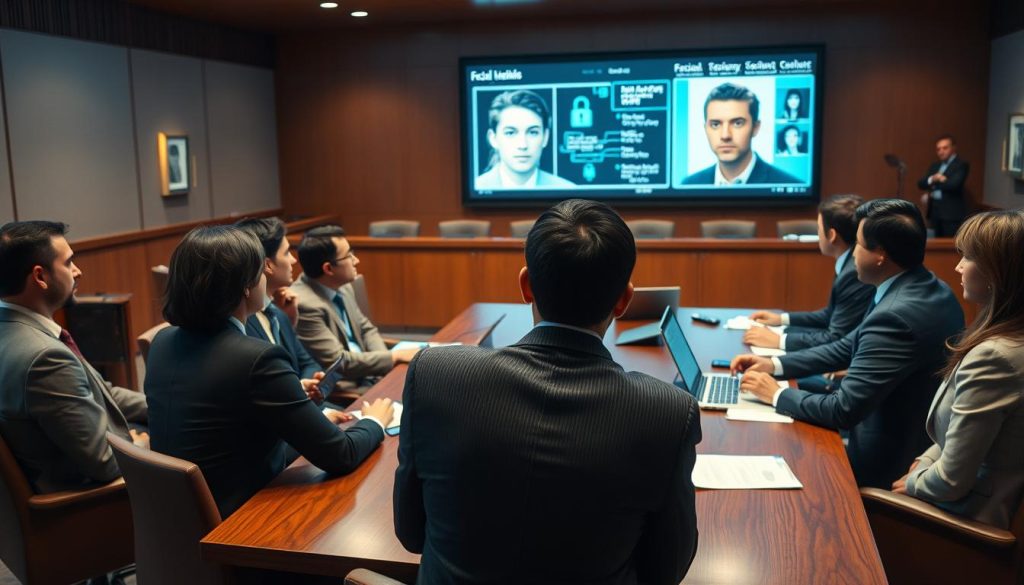
At the heart of many of these legal challenges is the Biometric Information Privacy Act (BIPA), a law that has been instrumental in shaping the conversation around biometric data. BIPA requires companies to obtain explicit consent before collecting biometric information, a provision that has significant implications for businesses using facial recognition technology.
Biometric Information Privacy Act (BIPA) and Its Implications
BIPA has been a game-changer in the legal landscape surrounding facial recognition. By mandating that companies obtain explicit consent before collecting biometric data, BIPA has raised the bar for businesses looking to leverage this technology. The law has been used to challenge companies like Coinbase and Walmart, which have faced lawsuits alleging violations of BIPA.
The implications of BIPA extend far beyond the courtroom. As companies navigate the complex requirements of the law, they are being forced to rethink their approach to biometric data. This has led to a broader conversation about the ethics of facial recognition and the need for greater transparency around its use.
Lawsuits Against Retailers and Tech Companies
The Clearview AI controversy has highlighted the legal and privacy concerns surrounding facial recognition. Clearview AI’s practice of scraping billions of images from the web to build its facial recognition database has sparked numerous lawsuits, with many arguing that the company has violated BIPA and other privacy laws.
As the legal landscape continues to evolve, companies using facial recognition technology are facing increasing scrutiny. Just as the legality of Florida sports betting apps is under scrutiny, the use of facial recognition is facing intense legal and public examination. The outcome of these lawsuits will have significant implications for the future of facial recognition, shaping the way that businesses use this technology and the safeguards they must implement to protect consumer privacy.
The Impact of Facial Recognition on Crime, Shopping, and Privacy
As facial recognition technology becomes increasingly prevalent in stores, it’s raising important questions about its impact on crime prevention, shopping experiences, and individual privacy. The use of facial recognition in retail environments, much like in regulated industries such as Florida sports betting, requires a delicate balance between security and privacy.
Regulating Facial Recognition
Balancing the need for store security with the right to privacy is a complex challenge. Facial recognition technology can be a powerful tool for preventing crime and enhancing customer experiences, but it also raises concerns about data protection and potential lawsuits. As we move forward, it’s crucial to establish clear guidelines for the use of facial recognition, ensuring that it serves to enhance security without infringing on individual rights.
The future of facial recognition in retail will depend on our ability to navigate these complex issues, much like the regulatory frameworks that govern emerging technologies. By doing so, we can create a safer and more secure shopping environment that also respects consumer privacy.