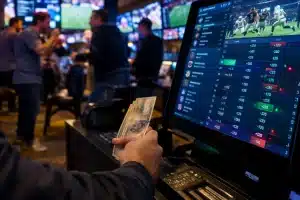
DraftKings License Renewal is now a live regulatory test in Louisiana, not a routine sign-off. On October 15, 2026, the Louisiana Gaming Control Board voted unanimously to give DraftKings a conditional extension of its sports betting permit through February 19, 2027, rather than a full renewal, while regulators examine questions tied to artificial intelligence and the suitability of some shareholders, according to CDC Gaming.
The timing matters for the regulated sportsbook market. DraftKings’ existing Louisiana license was set to expire on November 10, 2026. The conditional extension allows continued operation while the inquiry proceeds, but it also places the operator on a tighter compliance clock. For bettors and competing sportsbooks, the immediate effect is continuity rather than market disruption. The longer-term issue is whether regulators treat AI-driven marketing as a licensing risk, especially where promotions, customer segmentation, and responsible gambling controls overlap.
There are no operator-attributed odds tied to this licensing matter, and no game lines are cited here. The event being analyzed is the regulatory hearing schedule and its market effect, not a wager on a matchup. Lines and promotions can move quickly before games; license status can shape which operators are allowed to offer those markets at all.
DraftKings License Renewal And The Conditional Period
The Louisiana action did not remove DraftKings from the state market. It created a conditional bridge. That distinction is central. A full renewal would have reduced regulatory uncertainty. A conditional extension keeps the sportsbook operating while allowing the board to press for documentation, responses, and ongoing reporting before the full renewal hearing.
DraftKings License Renewal Timeline
The current schedule is clear from the record provided. The board acted on October 15, 2026. The original license was due to expire on November 10, 2026. The conditional extension runs through February 19, 2027. The full renewal hearing is scheduled for February 18, 2027, one day before the extension expires.
That calendar creates a narrow decision window. If regulators are satisfied before the February hearing, the matter could move toward a more standard renewal posture. If questions remain unresolved, the board would still have a live proceeding with direct access to monthly compliance reports and written responses. For a large operator, that means the licensing process itself becomes a market event.
What The Conditions Require
The Louisiana board’s conditions, as reported, reach beyond a single marketing campaign. They touch ownership review, product activity, responsible gambling standards, and regulator communication. The public items include:
- Suitability materials for shareholders with 5% or more ownership within 30 days.
- Formal responses within 30 days on AI use, prediction market activity, and digital offerings in Louisiana.
- A review and certification of commercials and digital ads for responsible gambling compliance within 30 days.
- A senior-level contact for communications with the board within seven days.
- Monthly compliance reports by the 15th of each month covering complaints, advertising violations, regulatory actions, and compliance system changes.
- Full cooperation with board directives during the conditional license period.
For sportsbook market analysis, those obligations matter because they show where regulatory pressure is forming. The focus is not just whether a customer saw a promotion. It is whether the operator can explain how a promotion was selected, who received it, and whether risk signals were weighed before marketing pressure was applied.
AI Marketing Questions And Market Access
The AI issue entered the Louisiana record through reporting that raised questions about DraftKings’ promotional targeting. A New York Times report alleged that DraftKings used AI-based models to target bettors likely to lose money with promotional incentives, and reported that internal data scientists in 2023 developed a machine learning model that produced “elasticity scores” to identify bettors who might respond most to promotions; it also reported that predictive models for identifying bettors at risk of problem gambling were sidelined New York Times report.
Promotions As A Market-Access Issue
Promotional spend has always been part of the sportsbook business model. The regulatory question is changing. If an operator uses machine learning to decide who receives incentives, regulators may ask whether that system favors customers showing vulnerability or simply identifies ordinary engagement patterns. Those are different risk profiles.
DraftKings denied using AI to target “losing gamblers” during the Louisiana license renewal hearing, where officials questioned President of Operations Paul Liberman and Chief Responsible Gaming Officer Lori Kalani about AI use and how the company identifies and responds to signs of gambling-related harm. That denial matters. The board has not made a final finding in the research record provided. The conditional extension preserves operations while giving regulators time to test the answers against documents, systems, and reporting.
For the regulated market, the immediate question is not whether one promotion was effective. It is whether AI systems can be audited in a way that satisfies state licensing standards. A sportsbook can post a price, offer live betting, and list props across games, but its permission to do so rests on licensing trust. If marketing controls become part of that trust test, the compliance burden rises for operators with advanced customer-targeting tools.
Pricing, Props, And Promotion Controls
Sportsbook customers often compare operators by market depth: moneylines, spreads, totals, live betting menus, same-game parlay options, and player props. Promotions sit beside those features, shaping how users move between operators. If regulators require clearer certification of digital ads and marketing materials, the promotional layer could become less aggressive or more closely documented in regulated states.
That does not mean Louisiana bettors will see immediate changes in available game markets. The research does not show a suspension, a product shutdown, or any change to posted lines. The DraftKings License Renewal proceeding instead raises a narrower but serious point: operator access may depend on proving that marketing technology and responsible gambling systems are aligned, not working at cross-purposes.
Responsible Gambling Controls Under Review

The Louisiana conditions place responsible gambling standards directly into the renewal process. Advertising compliance, customer complaints, regulatory actions, and compliance-system changes must be reported monthly during the conditional period. That gives regulators repeated checkpoints rather than a single hearing-day snapshot.
Why Monthly Reporting Changes The Pressure
Monthly reports can affect operator conduct even without a final enforcement action. If complaints rise, if an ad is flagged, or if a compliance system changes, the board is positioned to see that development before the February 18, 2027 hearing. This is a different posture from waiting until a later renewal cycle.
Massachusetts is also asking questions about AI and sportsbook marketing. On October 9, 2026, the Massachusetts Gaming Commission sent licensed mobile sports wagering operators a letter seeking written disclosures by November 3 on AI and machine learning in marketing, promotions, customer engagement, risk prediction, and whether losing bettors are being targeted. That state-level attention connects with prior coverage of sportsbook AI marketing and shows that Louisiana is not treating the issue as a one-off concern.
Regulated Versus Offshore Differences
The Louisiana action also shows the practical difference between a regulated sportsbook and an unlicensed or offshore alternative. A licensed operator must answer to a state board, produce suitability materials, certify marketing compliance, and maintain a designated senior contact for regulator communications. That does not eliminate risk for consumers, but it creates a formal channel for review.
For readers comparing sportsbook markets, that channel is part of the product. Price, props, and live markets are only one side of the comparison. Licensing oversight, advertising rules, and responsible gambling response systems help determine whether access is stable. Related market coverage from the same network is available at You Can Bet On It, where the focus is also on regulated wagering context rather than unsupported betting claims.
Louisiana AI Marketing Scrutiny For DraftKings
The Louisiana case turns on documentation, not speculation. Regulators have set dates, requested materials, and left DraftKings operating under conditions. The company has denied using AI to target losing gamblers in the manner questioned at the hearing. The allegations cited by regulators remain allegations in the research record, and the final license decision has not been made as of October 27, 2026.
What To Watch In The Record
The next key items are procedural. DraftKings must meet near-term deadlines for shareholder suitability materials, AI-related responses, advertising certification, and regulator contact designation. Monthly reports are due by the 15th during the conditional period. The full hearing is scheduled for February 18, 2027.
For the sportsbook market, the DraftKings License Renewal matter is a signal that AI marketing systems are becoming part of licensing review. Operators with deep live betting menus, large promotional budgets, and broad customer datasets may face more questions about how those systems decide which users see which offers. Until the Louisiana board completes its review, the prudent read is cautious: DraftKings remains active in Louisiana under a conditional extension, while regulators examine whether its AI, marketing, and responsible gambling controls meet the state’s standards.