Illinois Prediction Markets moved into a sharper legal phase on October 12, 2026, when a federal court issued a preliminary injunction blocking Illinois from enforcing sports wagering laws against sports-related event contracts while the full litigation continues. The ruling did not end the dispute. It changed the near-term risk calculation for platforms, regulated sportsbooks, and anyone comparing sports-event markets across legal channels.
The research record says Coinbase filed suit in the U.S. District Court for the Northern District of Illinois in December 2025, arguing that federal law under the Commodity Exchange Act preempts Illinois efforts to treat certain event-contract offerings as unlicensed sports wagering. Kalshi also sued Illinois in June 2026 over the licensing, tax and enforcement structure created under Senate Bill 3019. As of October 19, 2026, the key issue is not a matchup price or a single operator line. It is whether a sports event contract belongs mainly under federal derivatives oversight or state gambling control.
Because no current, operator-attributed odds were supplied in the research, this analysis does not quote prices. Any sportsbook odds or contract prices would move before kickoff or event settlement. The useful comparison here is market structure: who may offer sports exposure, what compliance cost applies, and whether Illinois residents see the same menu as users in other states.
Illinois Prediction Markets And Sportsbook Access
The Illinois Gaming Board had already taken a firm position before the 2026 court fight. In its October 23, 2025 memorandum, the IGB stated that prediction markets, including sports event contracts, are unlawful under Illinois law unless licensed and authorized by the board IGB memorandum. That view treats the product less like an exchange-traded financial contract and more like sports wagering when the contract outcome turns on a game or sporting event.
Illinois Prediction Markets And Live Pricing
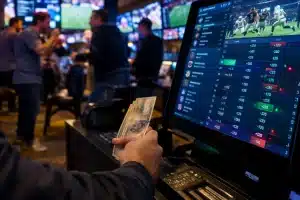
For a market analyst, the access question matters because Illinois Prediction Markets could sit beside regulated sportsbook menus in the consumer decision process. A sportsbook may post point spreads, totals, moneylines, player props and in-play markets. A prediction platform may frame exposure as a contract that resolves to yes or no. Those formats are not identical, yet they can compete for attention around the same professional games if users view them as alternative ways to express a sports opinion.
That comparison becomes more sensitive during high-demand windows. Live betting depends on rapid suspension rules, data feeds, bet acceptance controls and price movement. Event contracts can also react to in-game developments if offered around sports outcomes. If Illinois can require state licensing, platforms may face similar gatekeeping to sportsbooks. If federal preemption arguments prevail, the platform side may gain a different path into the same customer attention cycle.
For readers tracking sportsbook market behavior across states, this dispute fits a wider state-power test covered in prediction market access disputes. The Illinois fight is especially relevant because the state has paired enforcement claims with a 2026 statutory regime aimed at licensing and taxing sports-event contracts.
Court Injunction And Platform Risk
The October 12, 2026 preliminary injunction gave platforms temporary relief from Illinois enforcement tied to sports-related event contracts, based on the research provided for this analysis. A preliminary injunction is not a final merits ruling. It can affect conduct during the case, but it does not settle the broader legal question for every operator or every contract type.
What The Injunction Changed
The main practical change is timing. Before the injunction, a platform serving Illinois residents with sports-event contracts faced the risk of state enforcement under Illinois sports wagering laws. After the injunction, that enforcement path was blocked for the affected contracts while litigation proceeds. That can influence product availability, but platforms still must weigh federal oversight, state appeals, customer controls and contract design.
For regulated sportsbooks, the injunction is a competitive signal rather than an immediate pricing input. Sportsbooks licensed in Illinois have state compliance duties, responsible gambling requirements, tax obligations and market rules. If prediction platforms can operate under a different legal theory, the cost base and product approval cycle may diverge. That gap can matter over time for market depth, promotional spending, and how quickly new event types appear.
For consumers, the distinction should not be reduced to which market is cheaper on a given game. A sports contract and a sportsbook wager can differ in fee structure, settlement language, liquidity, tax reporting and account protections. The more cautious comparison is to read terms, confirm legal access in the user’s location, and understand that court orders can change availability before a season or tournament ends.
Tax, Licensing And Operator Behavior

Senate Bill 3019, effective July 1, 2026 according to the research record, amended the Illinois Sports Wagering Act to impose licensing and tax requirements on prediction market platforms offering sports-event contracts to Illinois residents. The research also states that Illinois introduced an excise or privilege tax of 1.75% on the first $5 million in sports bets per fiscal year by Illinois residents and 3.5% on amounts above that. Kalshi is challenging that tax regime.
Market Depth Versus Compliance Cost
Licensing and tax rules can change market behavior without changing the final score of any game. If a platform must obtain a state license and pay wagering taxes, it may limit the number of sports contracts, adjust fees, alter liquidity incentives or avoid Illinois users. If the platform remains outside state licensing because of federal preemption, it may keep a broader menu, though that depends on the litigation result and federal agency posture.
This is where Illinois Prediction Markets matter to sportsbook comparison. Market depth is not only the number of markets on a screen. It includes how often prices refresh, whether users can enter and exit positions, how much size is available near the displayed price, and what happens during injury news, lineup changes or late-game swings. Regulated sportsbooks and prediction platforms can both face stress when demand spikes around major games.
The state also addressed integrity risk through Executive Order 2026-04, issued April 21, 2026. The order barred state employees from using nonpublic inside information in prediction markets or event contracts, and also restricted assisting others with that information Executive Order 2026-04. That integrity theme is relevant for sports markets because inside information can distort prices before public bettors or contract traders see the same facts.
- For sportsbooks: the dispute can affect competitive pressure from platforms offering sports exposure outside the usual sportsbook interface.
- For prediction platforms: the dispute can affect whether Illinois requires licensing, taxes, geofencing or changes to sports-event contract menus.
- For users: the dispute can affect account access, market availability and the legal terms attached to sports-related positions.
For broader sportsbook comparison context, a related betting-market resource within the same network is accessible at 1x2bettingpro.com. The key caution is that comparison should not treat all sports exposure as interchangeable. A regulated sportsbook wager and a federally listed event contract may look similar at the outcome level, but the legal rails, dispute process and pricing mechanics can differ.
Illinois Prediction Markets Legal Read
The Illinois dispute now turns on a direct conflict between state gambling authority and federal regulation of event contracts. The state position, reflected in the IGB memorandum and later legislative changes described in the research, is that sports-event contracts offered to Illinois residents can function as unlicensed sports wagering. The platform position, reflected in the Coinbase and Kalshi litigation described in the research, is that federal law controls and limits state enforcement.
As of October 19, 2026, Illinois Prediction Markets should be read as a live legal and market-access issue, not a settled replacement for sportsbooks. The preliminary injunction mattered, but it left open the final merits, the scope of any appeal, and the practical response from operators. A cautious market read is to separate three questions: whether the user has lawful access, whether the product is priced and settled under terms the user understands, and whether a regulated sportsbook offers a clearer alternative for the same sporting event.
That framework avoids treating the court fight as a prediction on winners and losers in games. The more useful sports-market angle is operational. If Illinois ultimately enforces licensing and taxes, some platforms may reduce access or rework sports contracts. If federal preemption arguments hold, regulated sportsbooks may face a parallel competitor with different rules. Either path could shape prop variety, live-market depth, and the cost of offering sports exposure in Illinois.