
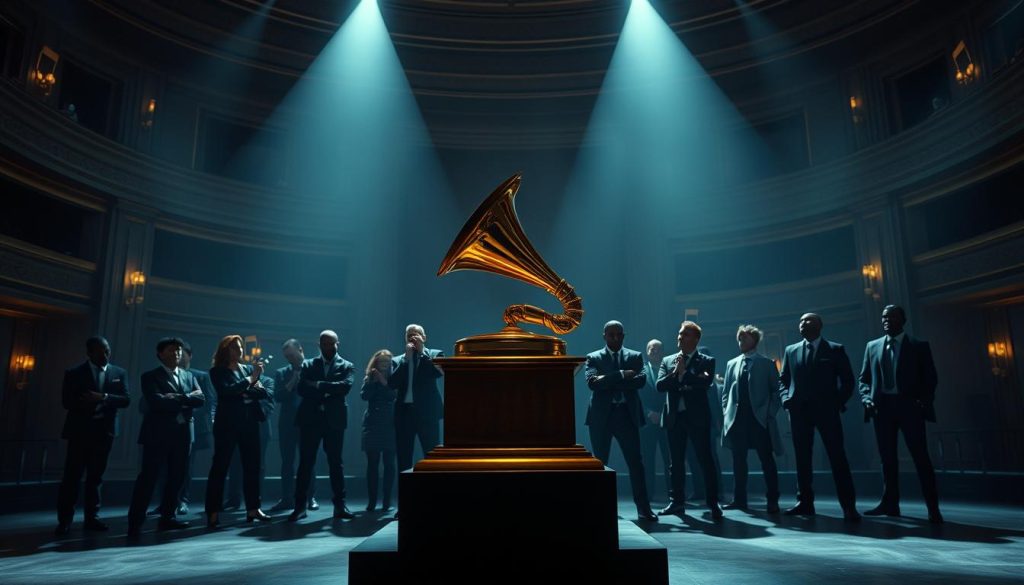
The Grammys, one of the most prestigious music awards, have been marred by grammys criticism over the years. Many artists and critics have taken to social media to express their disappointment and frustration with the Recording Academy’s decisions.
Kendrick Lamar, a highly acclaimed artist, has been snubbed multiple times, sparking a heated debate about the awards’ legitimacy. As we dive into the world of award show controversies, it’s worth noting that the excitement surrounding these events can be likened to the thrill of placing a bet on Florida sports betting platforms – both involve a deep passion for competition and a desire to see one’s favorite artist succeed.
For a deeper dive into the scandals that have rocked the Grammys, check out this article on Yahoo Creators, which highlights the most shocking moments in Grammy history.
Criticism by Musicians and Critics
The Recording Academy’s decisions have sparked controversy, with many questioning the Grammys’ commitment to musical diversity. The lack of representation and frequent snubs have led to widespread criticism from musicians and critics alike.
Snubs and Racial Bias
The Grammys have been accused of racial bias, with several high-profile artists feeling snubbed over the years. This issue came to a head with Kendrick Lamar’s repeated losses, despite critical acclaim for his work. In 2014, his album “good kid, m.A.A.d. city” lost Album of the Year to Daft Punk’s “Random Access Memories.” This pattern continued in 2016 when “To Pimp a Butterfly” lost to Taylor Swift’s “1989,” and again in 2018 when “DAMN.” lost to Bruno Mars’ “24K Magic.”

Kendrick Lamar’s experience is a prime example of the Grammys’ shortcomings. Despite being one of the most critically acclaimed artists of his generation, Lamar has been snubbed multiple times. As noted by various celebrities who have boycott and criticize Grammys, this has sparked a larger conversation about the need for greater diversity and representation within the Recording Academy.
The repeated snubs of Kendrick Lamar and other artists of color highlight a broader issue within the Grammys. The lack of diversity in nominations and wins is not just about individual artists but reflects a systemic problem that needs to be addressed.
How Viewers Reacted
The public’s response to the Grammys’ snubs has been swift and vocal, echoing through social media platforms. This reaction is not just about the awards themselves but reflects deeper issues within the music industry.

Public Outcry and Social Media
The hashtag #GrammysSoWhite has been a rallying cry, highlighting the lack of diversity in the Grammys’ nominations and wins. This movement has brought to light the systemic issues within the Recording Academy, sparking a conversation that goes beyond the awards ceremony.
Tyler, the Creator’s win for Best Rap Album in 2020 was seen as a step in the right direction, but many felt it was too little, too late. The reaction wasn’t just about individual wins or losses; it was about the broader implications of what these snubs represent.
Key Reactions:
- Outrage and Disappointment: Many fans expressed their outrage and disappointment on social media, questioning the Grammys’ ability to recognize talent fairly.
- Calls for Reform: The public outcry has led to calls for reform within the Recording Academy, pushing for more inclusivity and diversity.
- Cultural Impact: The controversy surrounding the Grammys has had a broader cultural impact, reflecting and influencing societal attitudes towards diversity and representation.
The Grammys, as an award show, is not just about recognizing musical talent; it’s also a reflection of the industry’s values and biases. The criticism it faces is a mirror held up to the music industry, revealing areas that need change.
Calls for Reform
The Grammys controversy has sparked a long-overdue conversation about the need for greater musical diversity and a more inclusive voting process. As the music industry continues to evolve, it’s clear that the Grammys must adapt to stay relevant.
Shifting the Paradigm
The snub of certain artists has highlighted the need for change. Just as Florida sportsbooks are revamping their approach to cater to changing consumer preferences, the Grammys must rethink their voting process to recognize a broader range of musical genres and artists. By embracing musical diversity, the Grammys can work towards regaining their credibility and relevance in the music industry.
The question remains: can the Grammys successfully reform and restore their reputation, or will they continue to be seen as out of touch with the music industry’s diverse landscape?








