

The COVID-19 pandemic brought the world to a grinding halt, and one of the most pressing challenges was the shortage of ventilators. As the crisis deepened, headlines about ventilator innovation flooded the media, almost as rapidly as the virus spread.
Just as Florida sports betting platforms adapted to the new landscape, the medical technology sector innovated to meet the demand for ventilators. Villanova University’s NovaVent is a prime example, offering at least 80% of the functionality of a standard hospital ventilator at a fraction of the cost. This story is a testament to human ingenuity in the face of adversity.
The pandemic highlighted the importance of ventilator innovation, and the response from innovators and engineers was swift. By developing new, low-cost ventilators, they helped address the shortage and saved countless lives.
National Invention Drive
As COVID-19 spread, a national invention drive emerged, bringing together engineers, clinicians, and scientists in a collaborative effort. This was not a typical project; it was a high-stakes game where the players were determined to win. Just as a savvy gambler might analyze odds, these innovators analyzed the problem and came up with creative solutions.
The manufacturing pivot was a crucial aspect of this drive. Companies like GM and Ford repurposed their production lines to manufacture ventilators, showcasing a remarkable ability to adapt. This shift was not just about changing production lines; it was about saving lives.
The Sage’s Guide to Ventilator Innovation
The Vermontilator, developed by the University of Vermont, is a prime example of the ingenuity that emerged during this period. Using a minimalist design, the team created a functional ventilator that could be produced quickly and efficiently. This innovation was not just about technology; it was about simplifying complex problems.
For more information on how NASA developed a COVID-19 prototype ventilator in just 37 days, visit NASA’s official website.
| Innovation | Description | Key Feature |
|---|---|---|
| Vermontilator | Minimalist design ventilator | Simplified production |
| NASA Ventilator | Prototype ventilator developed in 37 days | Rapid development |
| GM and Ford Ventilators | Repurposed production lines for ventilators | Manufacturing pivot |

The national invention drive was a testament to the power of collaboration and innovation. By bringing together diverse expertise and repurposing existing resources, the nation was able to address the ventilator shortage effectively.
Auto, Tech, and Engineering Firms Respond
When COVID-19 hit, the response from the automotive and tech sectors was nothing short of remarkable, with companies pivoting to produce life-saving ventilators. This shift was not just about changing production lines; it was about saving lives. Companies like General Motors (GM) and Ford, known for their automotive manufacturing prowess, found themselves at the forefront of this effort.
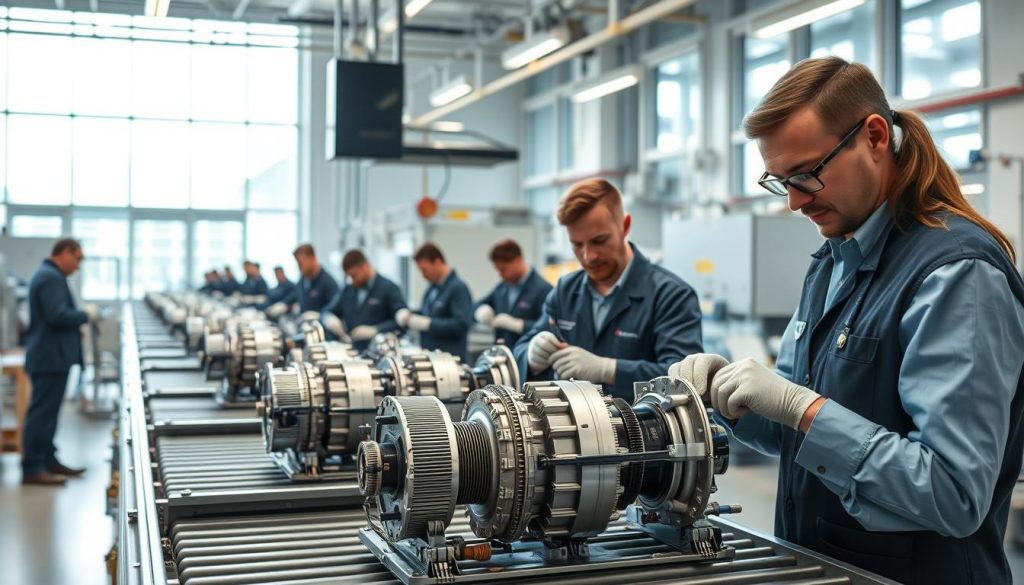
Engineering Marvels
The story of how these companies adapted is a testament to the power of innovation and collaboration. GM and Ford, with their extensive manufacturing capabilities, had to navigate a complex regulatory landscape to obtain emergency approval from the FDA for their ventilators. This was no easy feat, as it required significant adjustments to their production processes and compliance with stringent medical device regulations.
From Cars to Ventilators
The pivot to ventilator production involved more than just a change in product; it required a deep understanding of medical device manufacturing and the ability to meet the FDA’s requirements for emergency approval. According to a study published on the PMC website, this involved leveraging their existing manufacturing infrastructure and adapting it for medical use, showcasing the versatility and resilience of these companies.
The New Lab team, in collaboration with M.I.T., developed the Spiro Wave, a ventilator designed with a sleek metal casing and accompanied by instructional videos. This innovation highlights the collaborative spirit and rapid adaptation that characterized the industry’s response to the pandemic.
- Companies like GM and Ford shifted their production lines to produce ventilators.
- The process involved navigating complex FDA regulations for emergency approval.
- Innovations like the Spiro Wave ventilator were developed through collaborations between tech firms and medical research institutions.
The ability of these companies to respond to the crisis underscores the importance of flexibility and innovation in the face of unprecedented challenges. As we look to the future, the lessons learned from this experience will be invaluable in preparing for potential future outbreaks.
Lessons for Future Outbreaks
The pandemic has been a crucible for innovation, testing the mettle of industries and pushing the boundaries of what is possible. As we emerge from this global health crisis, the experience gained will inform future responses to similar crises.
Innovation in the Time of Crisis
The engineering marvels developed during the pandemic, such as the NovaVent, have shown that collaboration and ingenuity can overcome even the most daunting challenges. Just as the medical technology sector adapted to the crisis, other industries, like those behind Florida betting apps, have demonstrated an ability to evolve under pressure.
As we look to the future, it’s clear that the intersection of technology and healthcare will continue to be a critical area of innovation. The lessons learned from the pandemic will be invaluable in shaping the response to future outbreaks, and the role of engineering in this process will be pivotal.






